
Academic Programs
A single continuum from Level 1 to Level 12. Students advance from the level where they truly are, not the one dictated by their age.
The unit of study
What are PACEs?
A PACE —Packet of Accelerated Christian Education— is a traditional textbook broken down into small, manageable booklets. Each PACE equals one unit, and each grade level is completed with twelve PACEs per subject.
01
Read and work independently
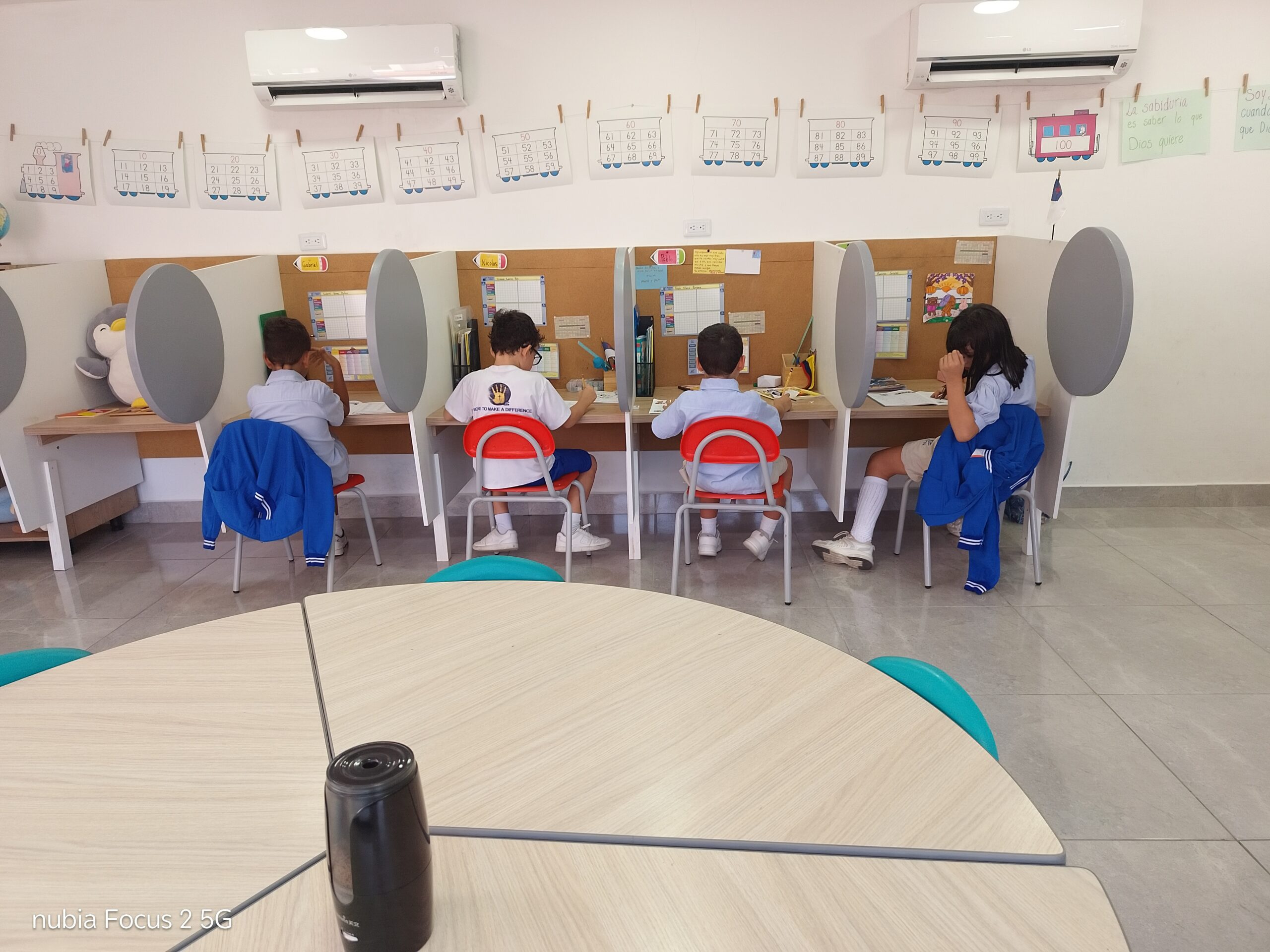
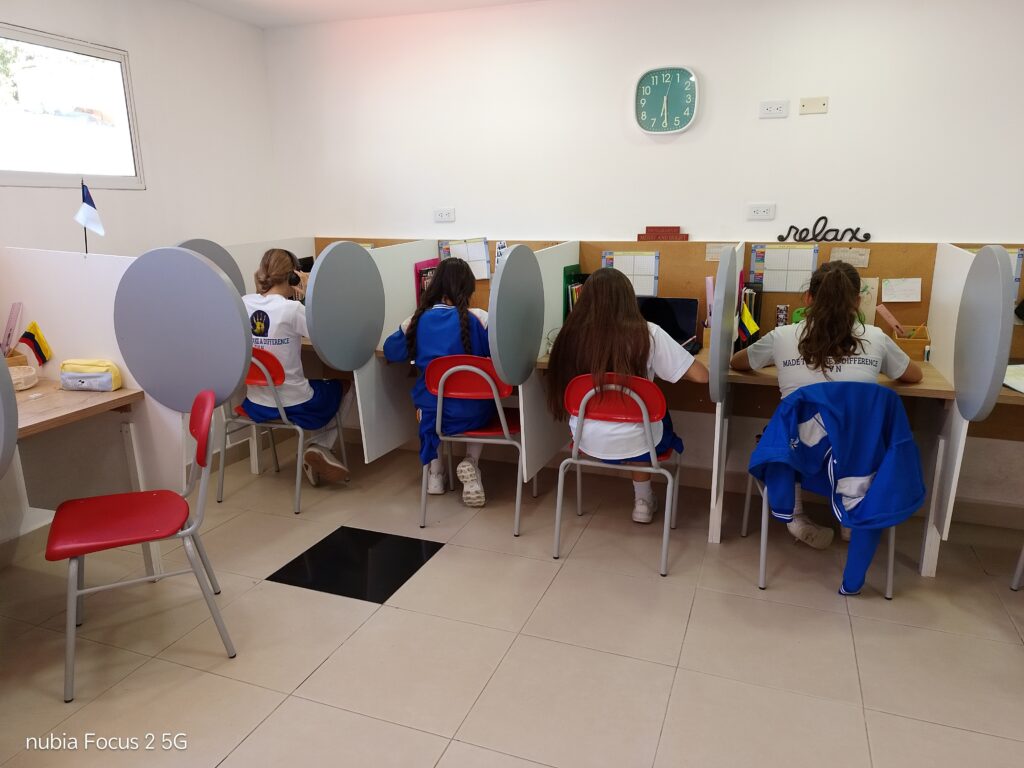
There is no teacher lecturing at the front of the room: the student reads the material, answers the questions, and then checks their own understanding.
02
Character is built right into the content
Character lessons are not a separate subject; they are integrated directly into the academic material itself, featuring characters that students follow from one PACE to another.
03
Advance as you master
Each PACE ends with an evaluation. If the topic is not mastered, it is reinforced before moving forward.
A complete grade level, subject by subject
12 PACEs per subject. In the illustration, seven completed.
Grades 1 to 6 · Elementary School
Core curriculum
Six core subjects. From Level 1 to Level 6, there is the option to take certain subjects in Spanish.
Math
Math
English
English
Word Building
Word Building
Science
Science
Social Studies
Social Studies
Spanish
Spanish Language and Literature
Diagnosing before prescribing
Every incoming student takes assessments in Math, Reading, English, and Word Building to determine their true skill level and identify any learning gaps.
Readmaster Plus
Four computer-assisted learning programs: Readmaster, Typemaster, Math Builder, and Word Builder.
90 character traits
Kindness, loyalty, honesty, diligence, and eighty-six others, integrated into the material at every level.
Grades 7 to 8 · Middle School
Subjects change and expand
In the upper levels, the curriculum expands to include the sciences, advanced mathematics, and Bible study.
Math
Math
English
English
Word Building
Word Building
Science
Science
Literature
Literature
Bible Reading
Literature and writing
Social Studies
Social Studies
Diagnosing before prescribing
Every incoming student takes assessments in Math, Reading, English, and Word Building to determine their true skill level and identify any learning gaps.
Readmaster Plus
Four computer-assisted learning programs: Readmaster, Typemaster, Math Builder, and Word Builder.
90 character traits
Kindness, loyalty, honesty, diligence, and eighty-six others, integrated into the material at every level.
Grades 9 to 12 · High School
On the road to university
From 9th to 12th grade, students enroll in the American educational program accredited by Lighthouse Christian Academy and begin earning credits.
View our academic accreditation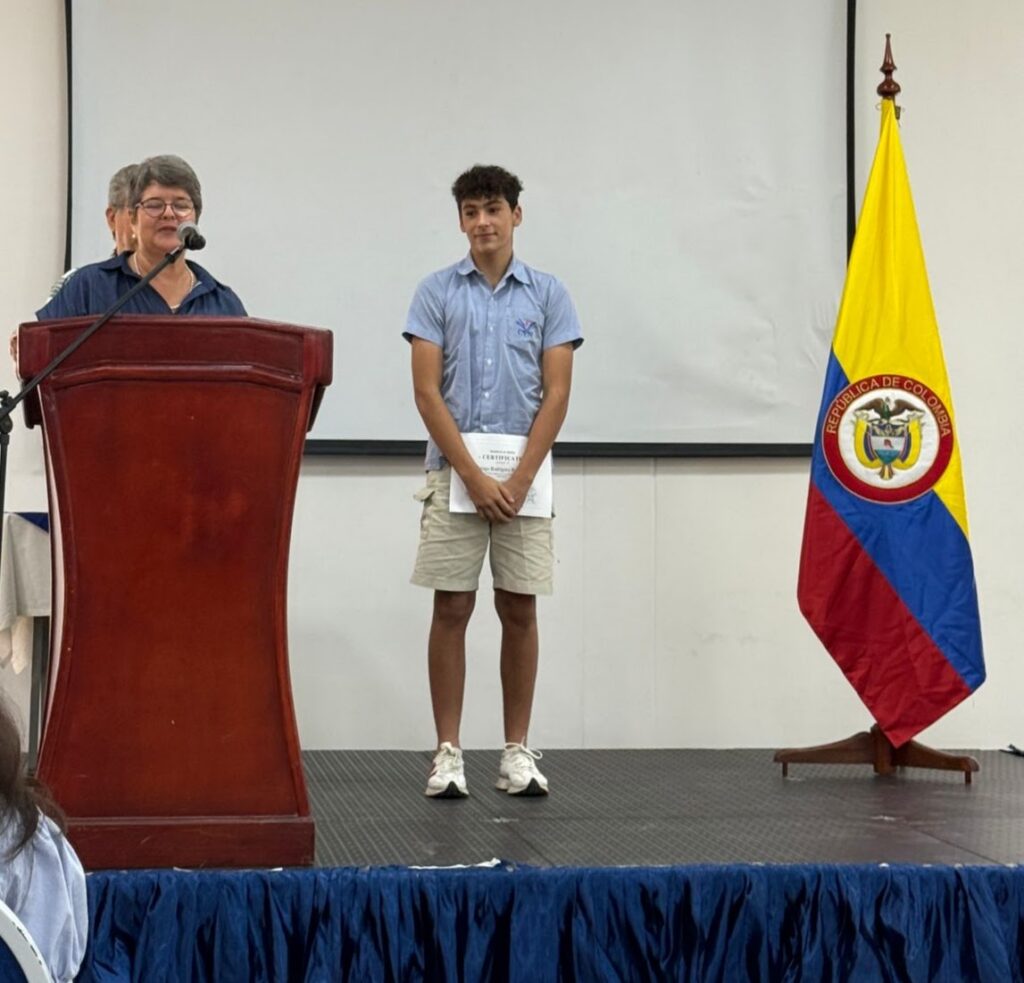
Algebra
Advanced mathematics
Trigonometry
Trigonometry
Chemistry
Chemistry
Physics
Physics
Biology
Biology
General Business
Elective
Accounting
Elective
Computer
Elective
Literature
Elective
World Geography
Chemistry
World History
Chemistry
French
Chemistry
Life of Christ
Chemistry
Health
Chemistry
Speech
Chemistry
Diagnosing before prescribing
Every incoming student takes assessments in Math, Reading, English, and Word Building to determine their true skill level and identify any learning gaps.
Readmaster Plus
Four computer-assisted learning programs: Readmaster, Typemaster, Math Builder, and Word Builder.aria-hidden
Kindness, loyalty, honesty, diligence, and fifty-six others, woven into the material at every level.
How it works
The journey of a PACE unit
This is how each of those twelve booklets is worked through, from the moment the student arrives until they close the unit and receive the next one.
Diagnostic
An initial assessment determines the student's true skill level in each area. That is their starting point, regardless of the grade they are coming from.
Daily goals
Each morning, the student writes down how much progress they plan to make. They learn to estimate their own work and follow through on what they commit to.
Individual study
They work at their desk on their assigned booklet. When they need help, they raise their flag and the supervisor comes over to their station.
Self-grading
They check their own work at the grading station, under supervision. Finding the mistake yourself teaches you more than having it corrected for you.
Review and self-check
Before the exam, they take a self-check. If they haven't mastered it, they review; no one takes the assessment without being ready.
Test and next unit
They take the unit exam. Upon passing with true mastery, they receive the next booklet, and the cycle begins again.
A day in the classroom
This is what a session looks like
Real photos from study sessions: the work table, individual offices, and supervisor guidance.
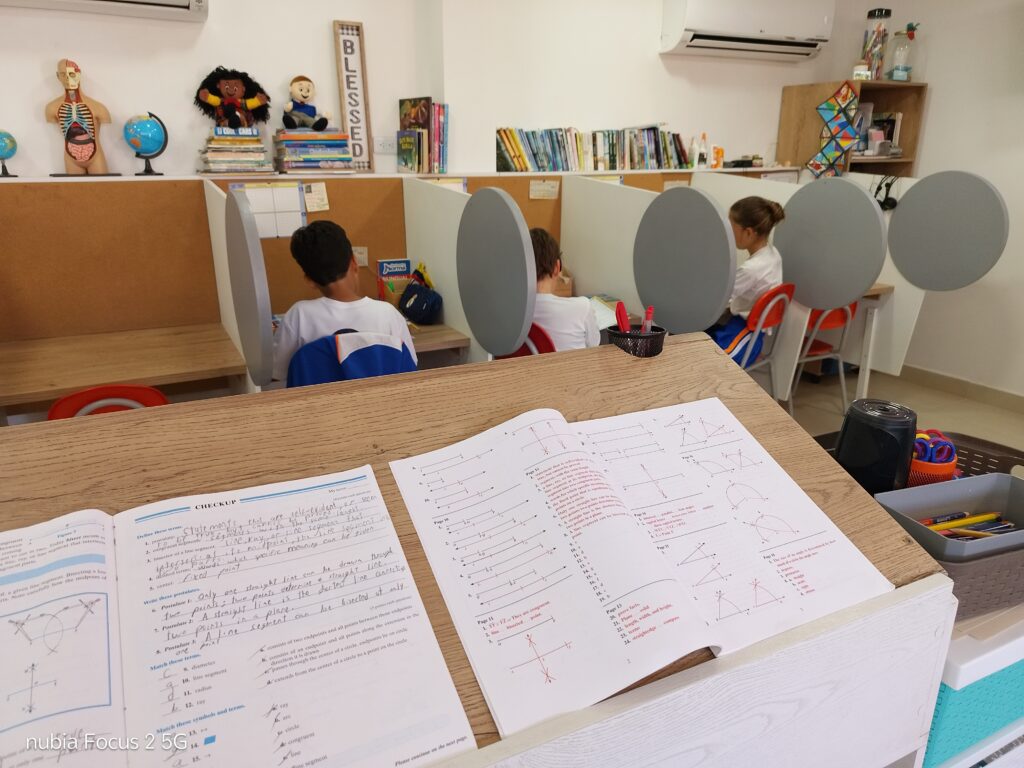
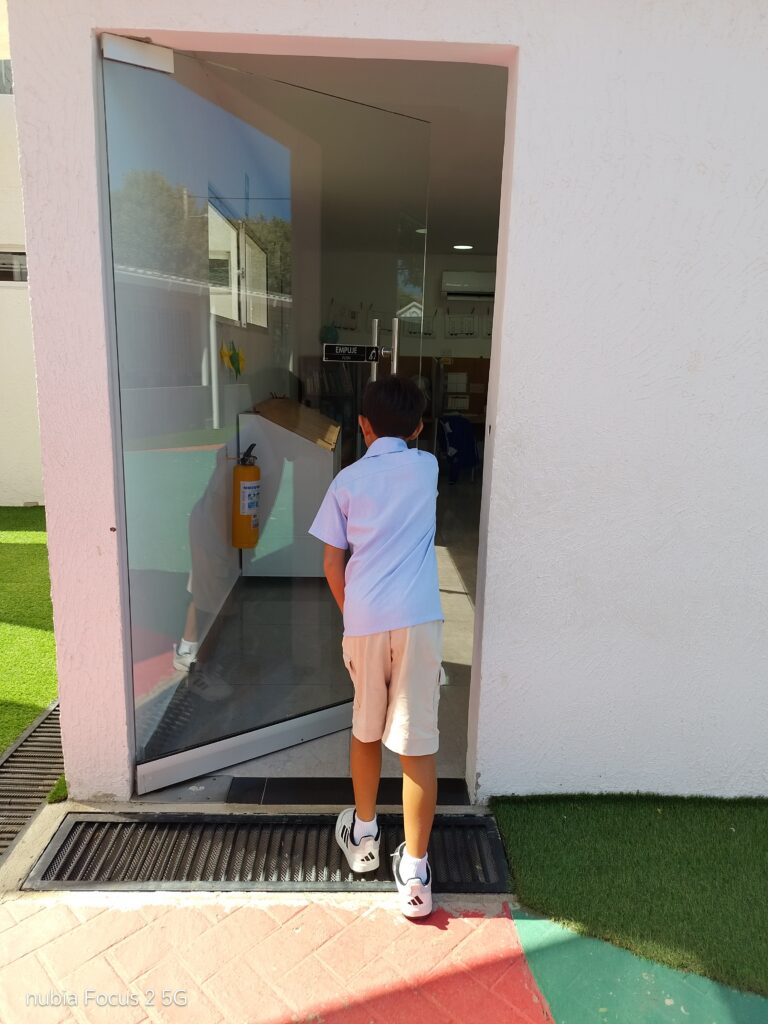
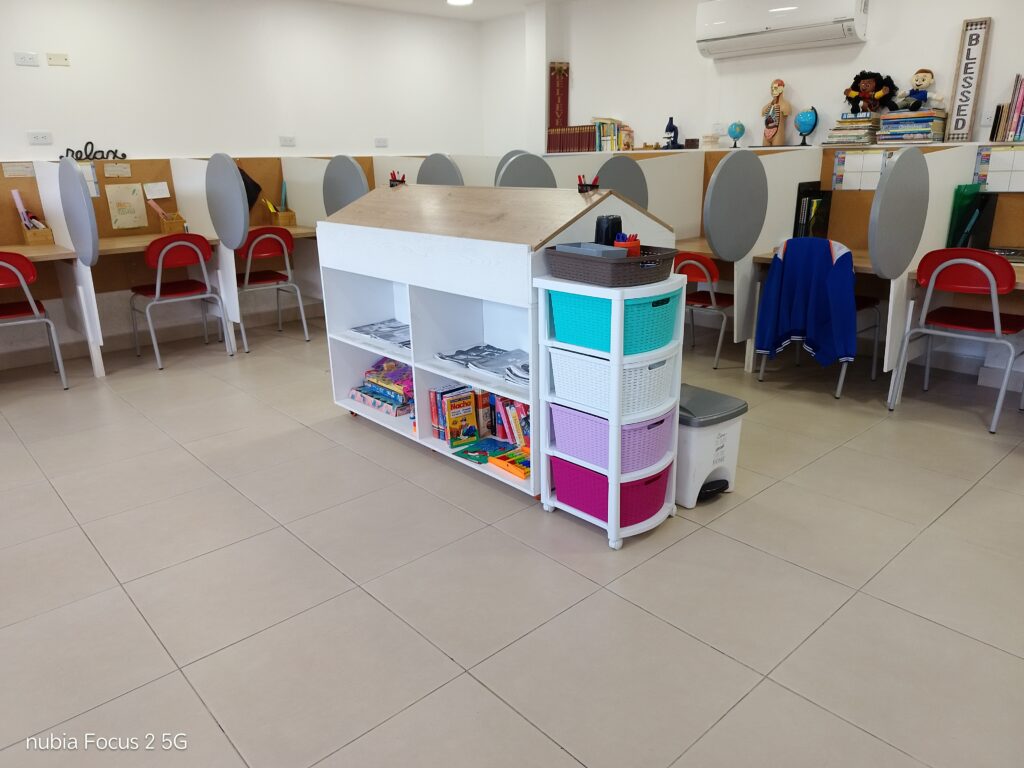
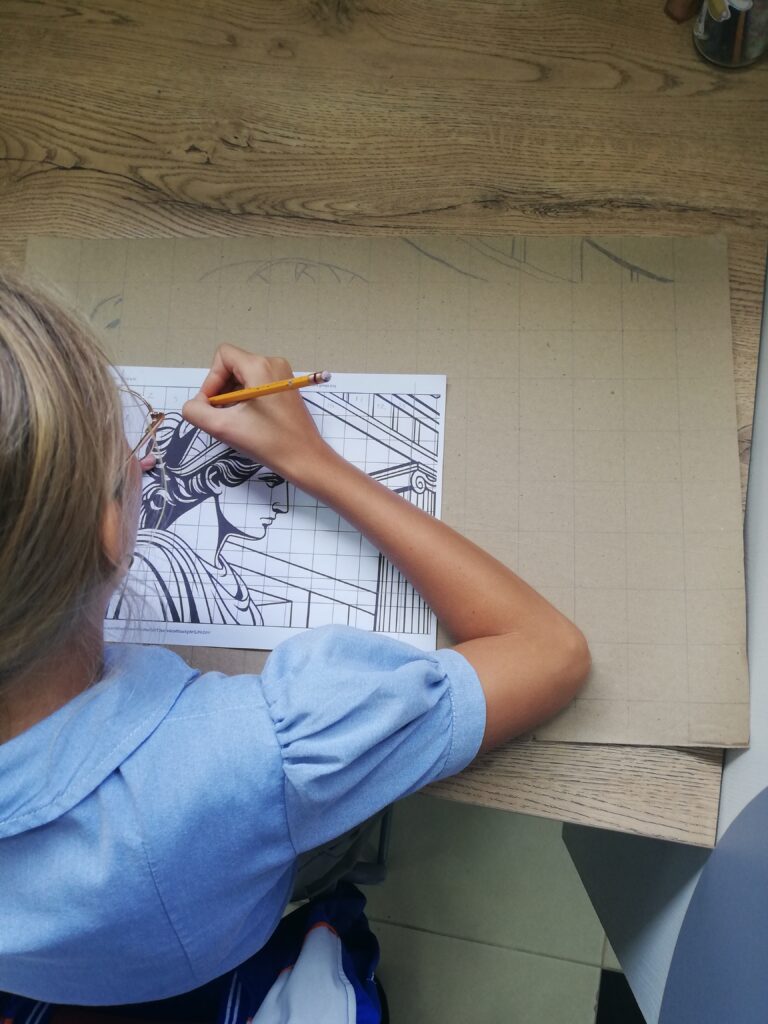
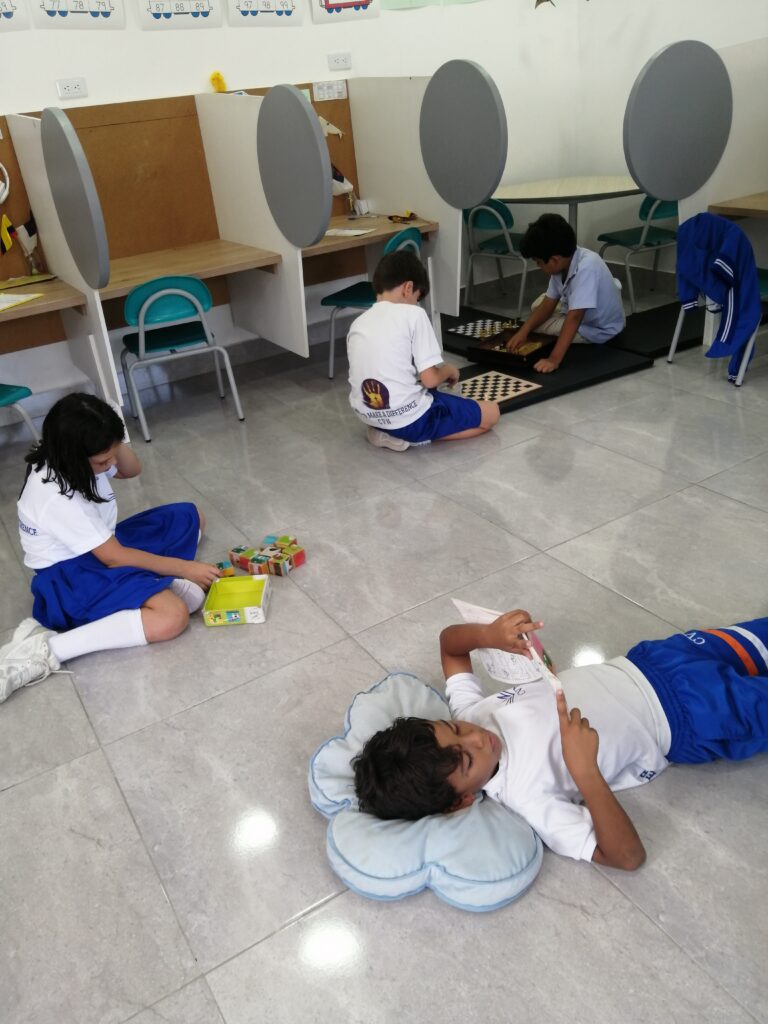
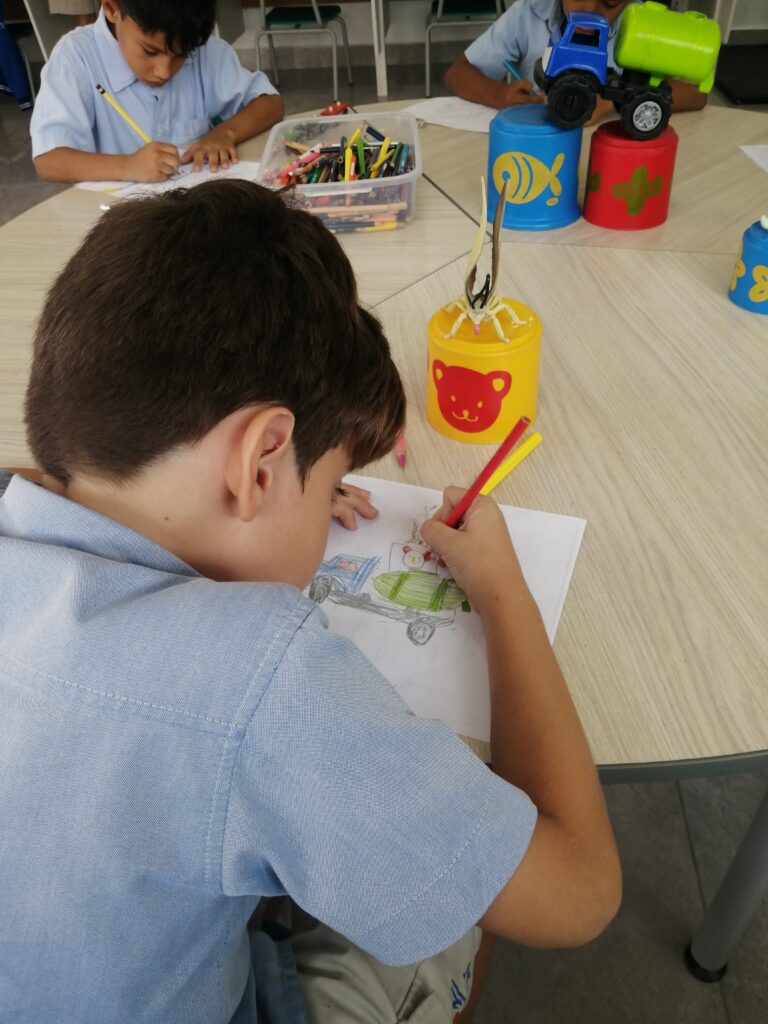
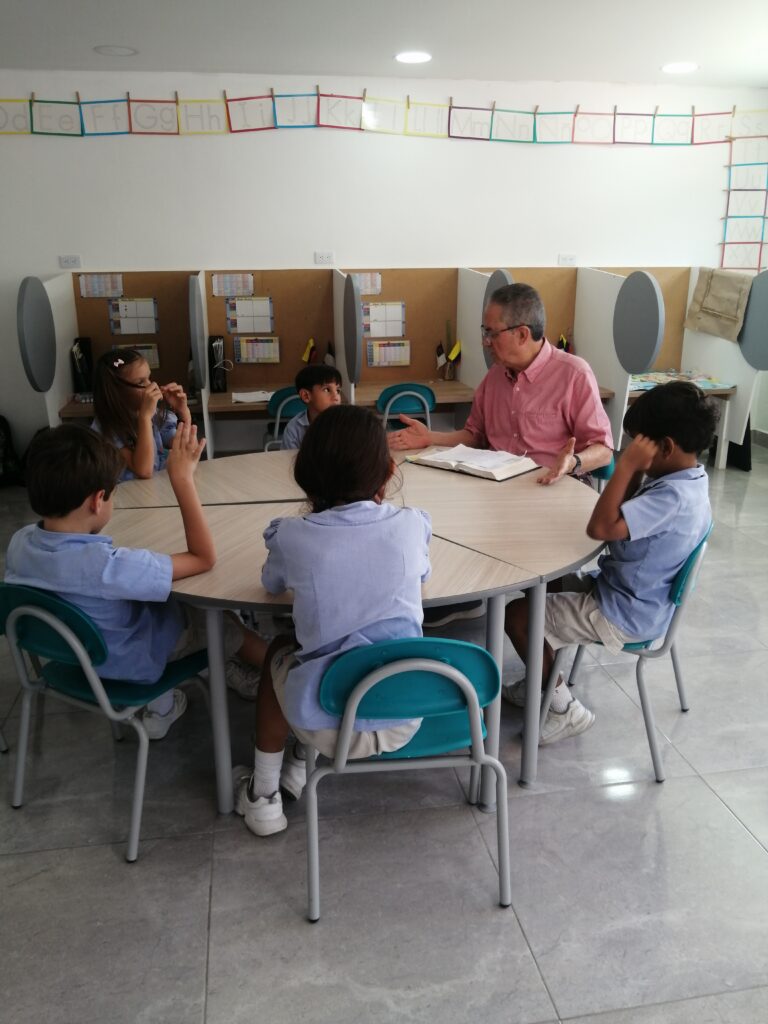
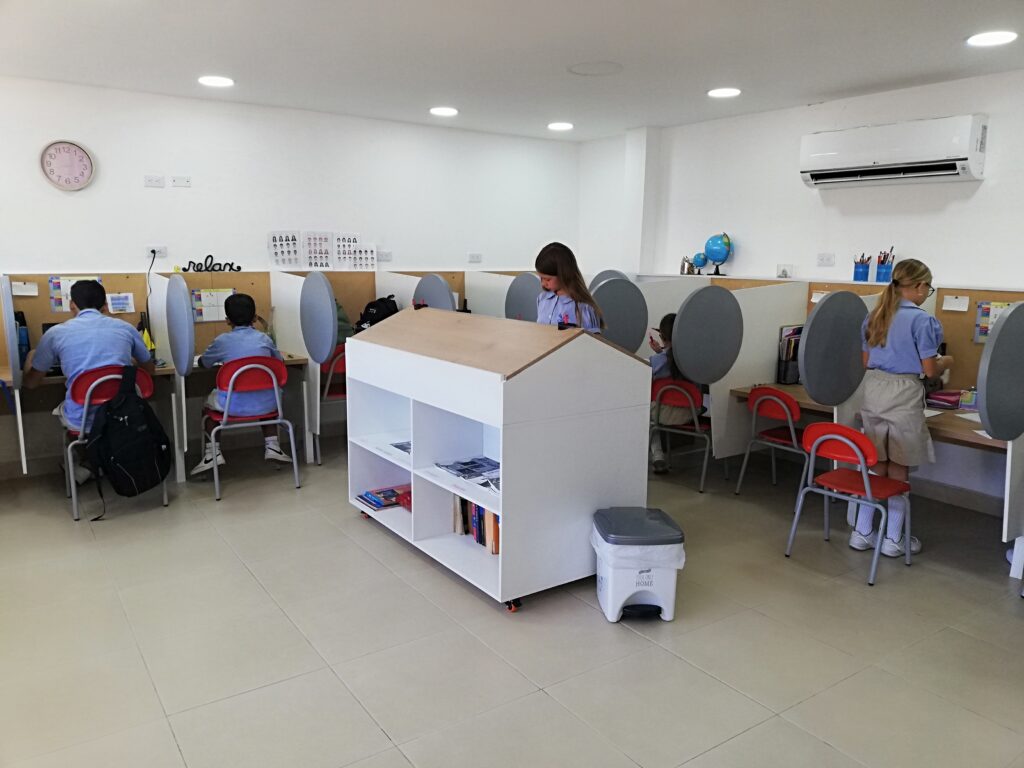
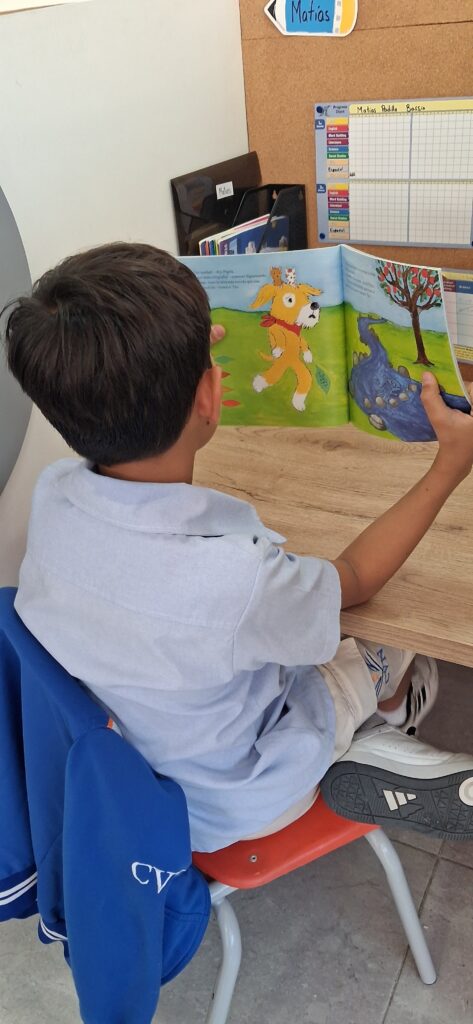
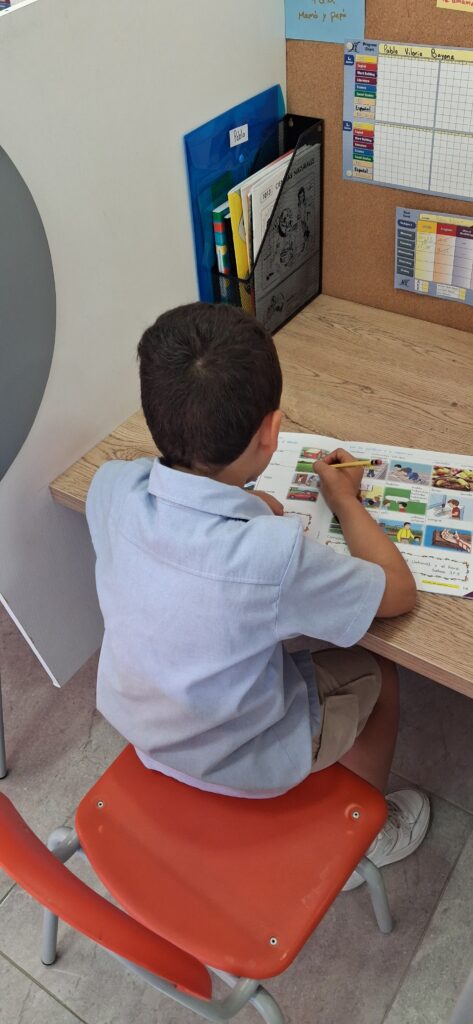
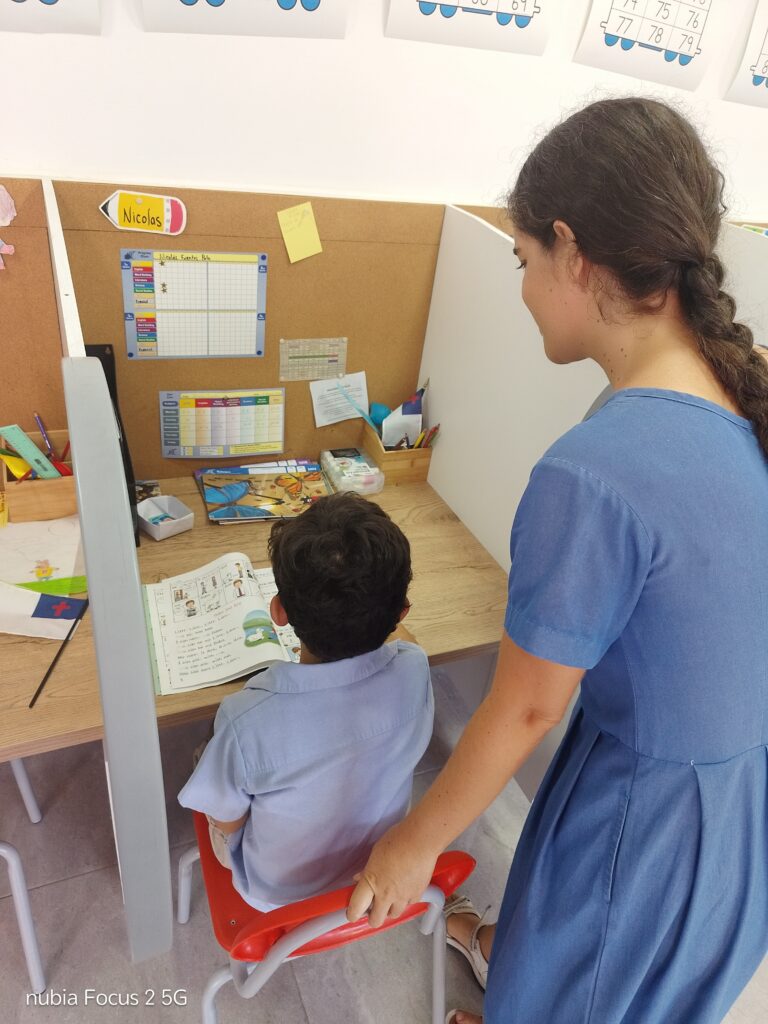
Stock photos from Vida Nueva Learning Center.
Know their true level before enrolling
The diagnostic assessment has a fee and does not commit you to enrollment. In a single session, you'll know exactly where they stand.